Green Fuels. Powered by nature. built to Scale
Delivering Ultra-Low-Cost Green Methanol & Sustainable Aviation Fuel (SAF) De-Risked, High Margins & Ready for Offtake
Market-leading cost advantage in green methanol
Decarbonisation at scale - over 90% CO2 reduction
From early revenues to major upside - a globally replicable platform
Finally, green fuels that make economic sense - delivering impact and investor value
METHANOL
tonnes
Phase 1
SAF
tonnes
Phase 2 (option 1)
METHANOL
tonnes
Phase 2 (option 2)
CARBON REDUCTION
Using forestry waste, low-cost green power, and proven TRL9 technology, we offer a de-risked, modular platform built for early revenue and global scale.
World-Class Returns + Best-in-Class Tech Platform
Key Fundamentals.
- Industrial site secured in Finland
- Homogeneous feedstock secured
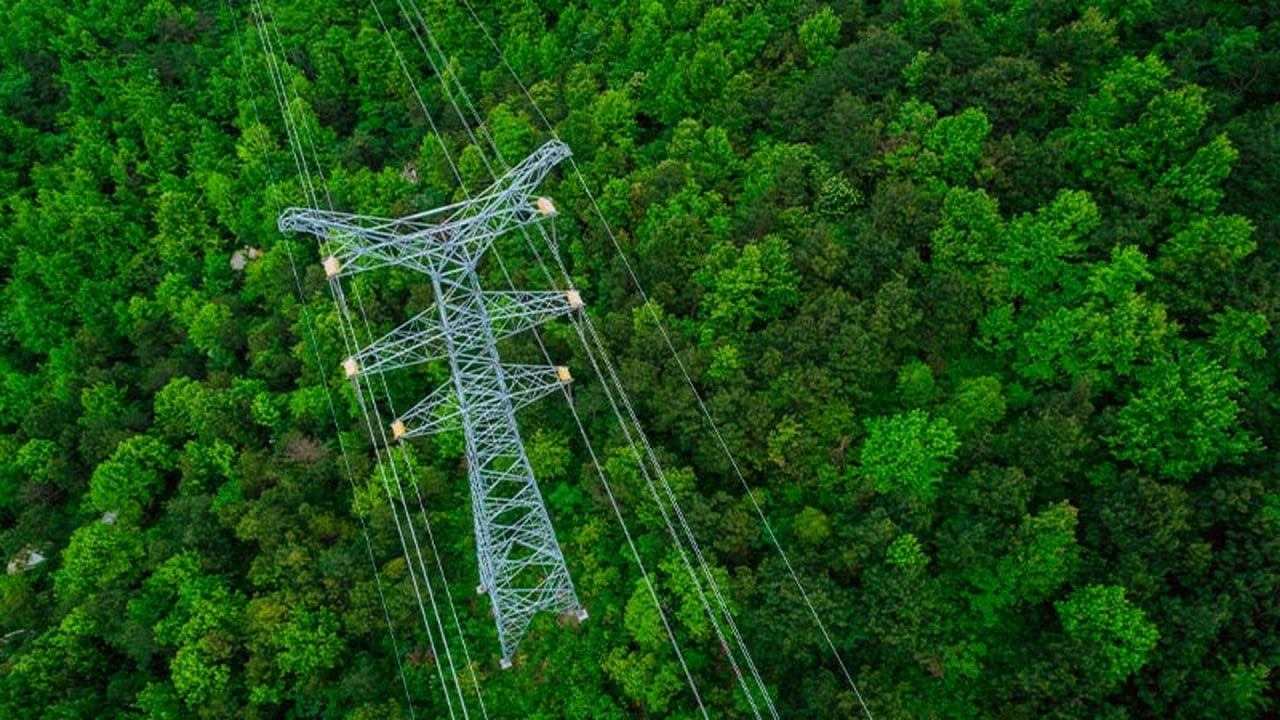
- Access to low-cost green electricity
- Proven technology with performance guarantees
- Producing methanol at 1st quartile costs
- De-risked approach – methanol revenue followed by SAF
Proven Technology Platform
Methanol-to-Jet (MtJ) Technology: TRL9 Commercial Readiness
A Flexible, De-Risked Clean Fuels Solution
Dual-Pathway Platform
Adaptive Power Design
Proven TRL9 Technologies
CAPEX Phased Rollout
Modular & Scalable
Lowest-Cost LCOF
The Problems We Solve
Hard-to-abate sectors are under pressure
Global shipping and aviation must decarbonise fast— But green fuel supply isn't ready.
Green fuel options are too expensive
Most current solutions can't compete on cost, limiting adoption at scale.
Technology risk is high
Many proposed projects rely on unproven or overly complex technologies.
Feedstock and power are bottlenecks
Without secure biomass or low-cost green energy, most models break down.
Investors want real returns — not just ESG spin
There's a growing demand for de-risked, scalable projects with near-term upside.
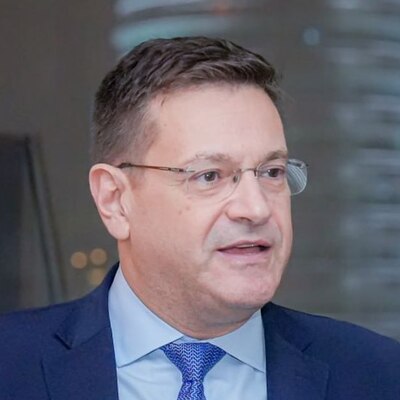
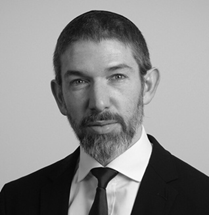
The Leadership Team
Flying Forest’s leadership is uniquely positioned to accelerate the global transition to sustainable biofuels, combining technical expertise, industry networks, and a shared commitment to decarbonization.
management team
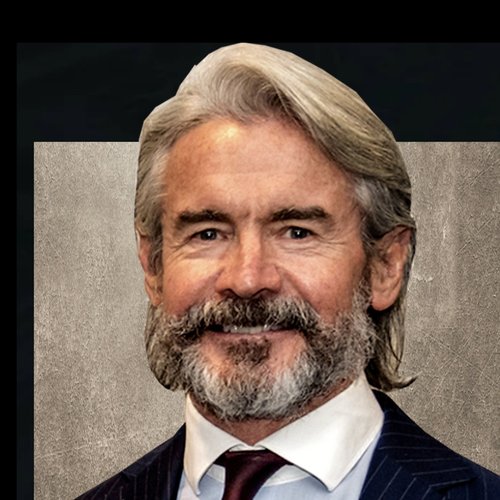
DR PAUL GROVES
CEO & Director, Co-Founder
DR PAUL GROVES
CEO & Director, Co-Founder
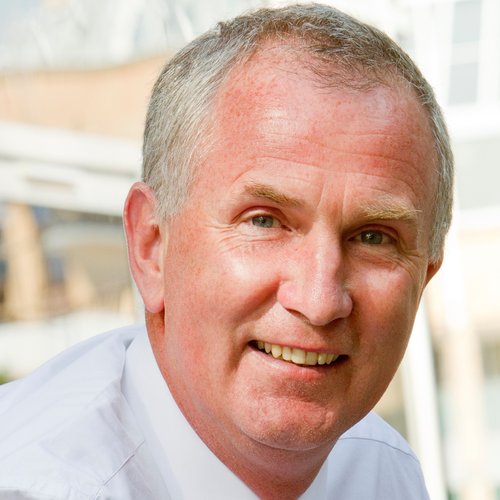
STEVE WHITE
CCO & Director, Co-Founder
STEVE WHITE
CCO & Director, Co-Founder
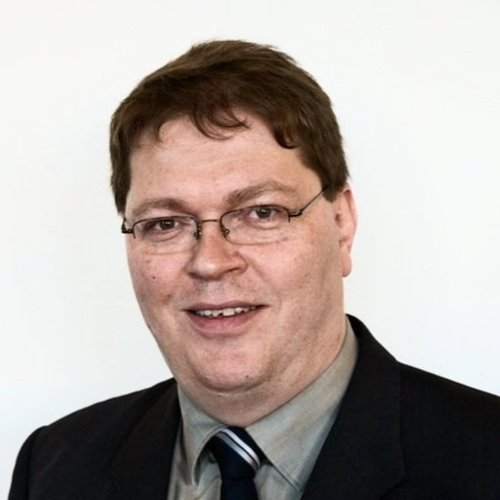
ADRIAN BOODT
CSO & Director, Co-Founder
ADRIAN BOODT
CSO & Director, Co-Founder
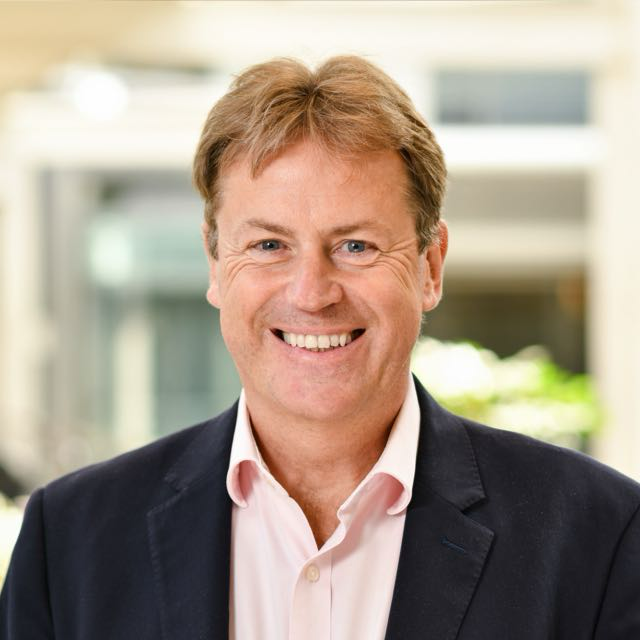
TIMO SAARELAINEN
COO & Co-Founder
TIMO SAARELAINEN
COO & Co-Founder
JAKE GREENBERG
CIO
JAKE GREENBERG
CIO
VIANNEY VALES
FILIPE MARQUES
JOHN HEMMINGS
JORGE SAMPAIO
Alsecon
SERGEY MALKOV
ALEXEY KONONOV
Board Advisors
Christian Hvamstad
Board Advisor
Christian Hvamstad
Board Advisor
- Phone:phone number
- Email:demo@gmail.com
Sergey Malkov
Board Advisor
Sergey Malkov
Board Advisor
- Phone:phone number
- Email:demo@gmail.com
Christian Hvamstad
Board Advisor
Christian Hvamstad
Board Advisor
- Phone:+1 (859) 254-6589
- Email:demo@gmail.com
Sergey Malkov
Board Advisor
Sergey Malkov
Board Advisor
- Phone:+1 (859) 254-6589
- Email:demo@gmail.com
The Flying Forest leadership team brings together industry professionals with expertise across global energy, biofuels, biomass optimisation, and carbon credits. With executive experience at Shell, Petrofac, and British Gas, alongside leadership in sustainable energy ventures, they bring a rare blend of strategic insight and operational excellence.
Their track record includes delivering multi-billion-dollar projects, such as Qatar’s Gas-to-Liquids plant and advanced biorefinery operations in Finland. From capital raising to large-scale infrastructure delivery, the team has consistently driven growth while advancing sustainable fuel innovation.
Our Reliable Customers and Associates
Frequently asked questions
What is Flying Forest’s core mission?
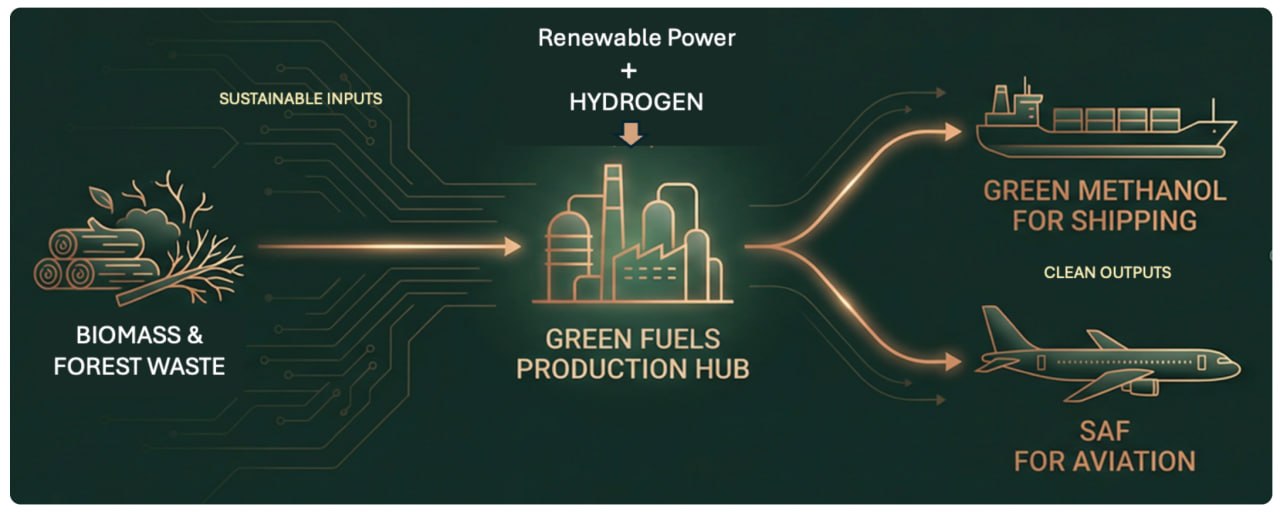
Flying Forest transforms locally sourced forestry residues into low-carbon green methanol and Sustainable Aviation Fuel (SAF). We aim to decarbonize aviation and maritime transport by delivering scalable, drop-in fuels that reduce lifecycle CO₂ by over 90% compared to fossil fuel alternatives.
How does Flying Forest produce its fuels?
We follow a two-phase, modular process:
Phase One (2030–2034) converts waste biomass into green methanol via proven gasification and syngas‐to‐methanol catalysis.
Phase Two (from 2034) upgrades that green methanol into ASTM-certified SAF using the Methanol-to-Jet (MTJ) pathway, expected to be certification-ready by end-2025.
What feedstocks do you use and why?
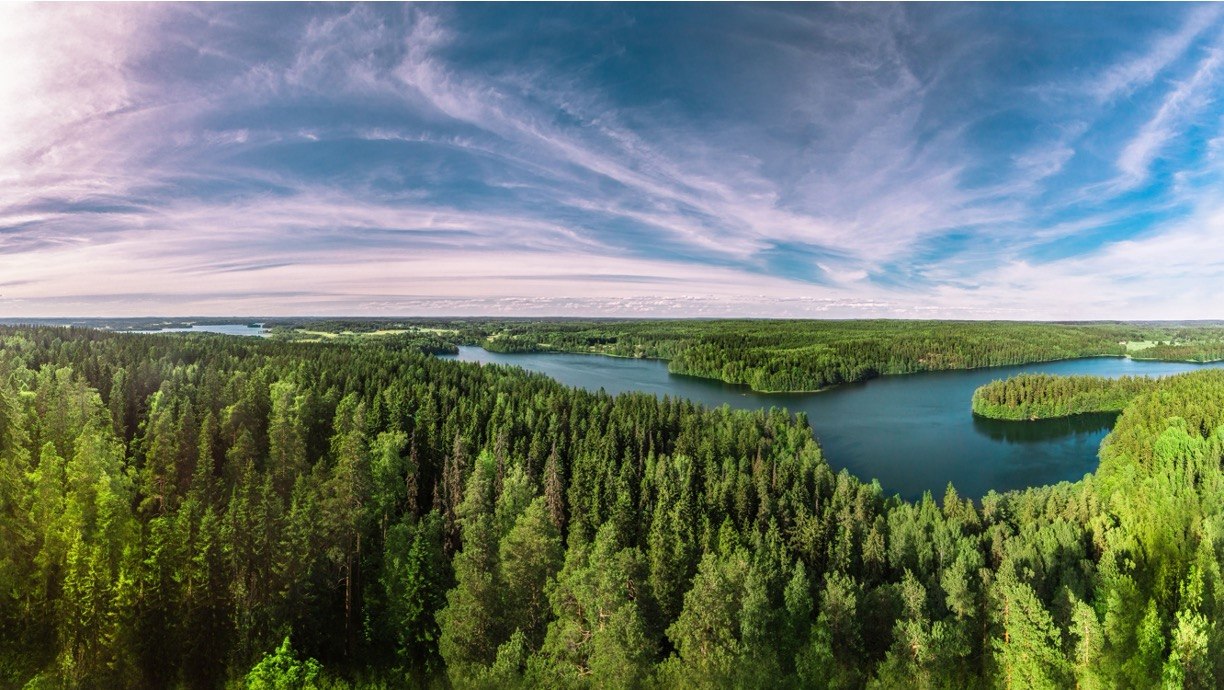
We source waste forestry biomass (sawmill residues, thinning arisings) from sustainably managed Nordic forests. That feedstock:
Has zero import risk and is locally abundant.
Is rich in carbon and hydrogen, ideal for high-yield gasification.
Meets CORSIA sustainability criteria without converting primary or biodiversity‐rich lands.
What technologies underpin your process?
High-temperature biomass gasification generates syngas.
Renewable electricity-driven electrolysis supplies green hydrogen and oxygen for syngas conditioning.
Catalytic conversion then produces green methanol (Phase One) and, later, SAF via MTJ (Phase Two).
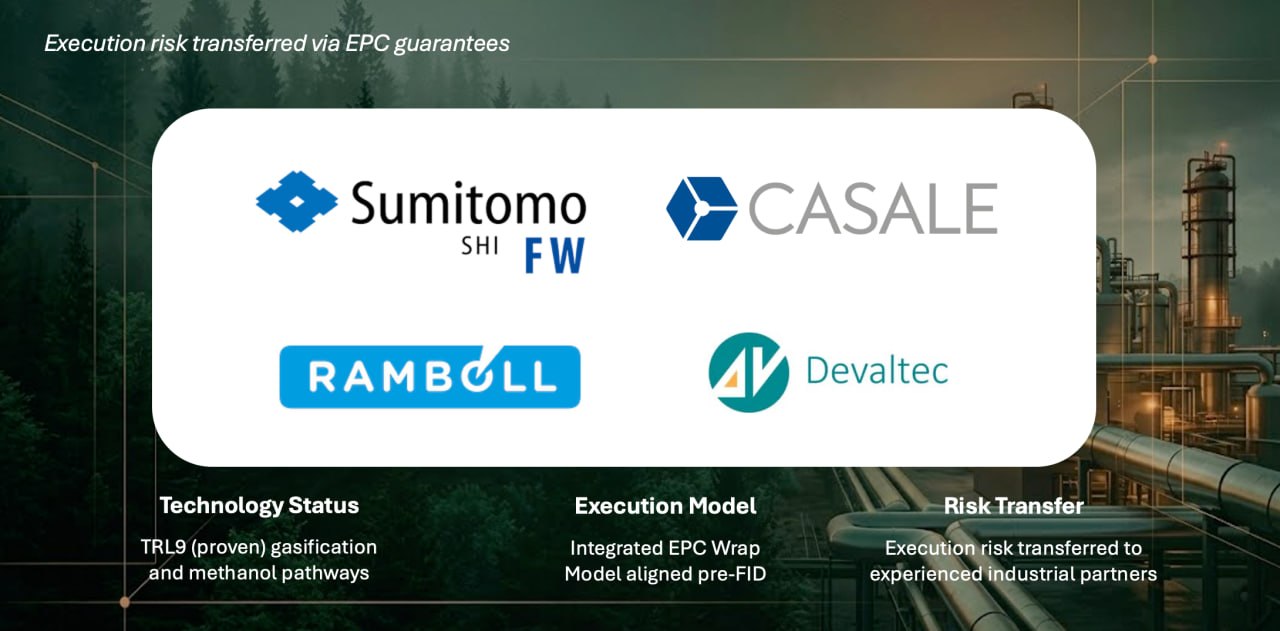
Devaltec, a Houston-based sustainable energy consultancy, leads engineering, regulatory alignment and FEED execution, de-risking delivery.
What are your production targets?
Phase One: 178,748 tonnes per annum of green methanol by 2030–2032.
Phase Two: 320,666 tonnes per annum of SAF (55% eSAF / 45% advanced SAF) by 2035.
Or 536,243 tonnes per annum of Methanol (55% eMethanol / 45% bioMethanol) by 2035.
Early methanol sales into marine and chemical markets unlock revenue while SAF certification is underway.
What environmental benefits do you deliver?
Our sustainable bio-fuels achieve:
>90% reduction in lifecycle CO₂ compared to conventional jet fuel.
Drop-in compatibility with existing engines and infrastructure.
Biodegradability and near-zero SOₓ/NOₓ emissions for marine applications inline with 2030 reduction targets and supporting aviation’s goal of net-zero CO₂ by 2050.
Why choose a modular design?
Modularity lets us:
Scale rapidly with repeatable “module” blueprints matched to local feedstock.
Reduce capital risk by phasing investment; first methanol, then SAF.
Replicate globally in other biomass-rich regions.
That approach drives faster project execution and lower unit costs.
Where is your first site and why?
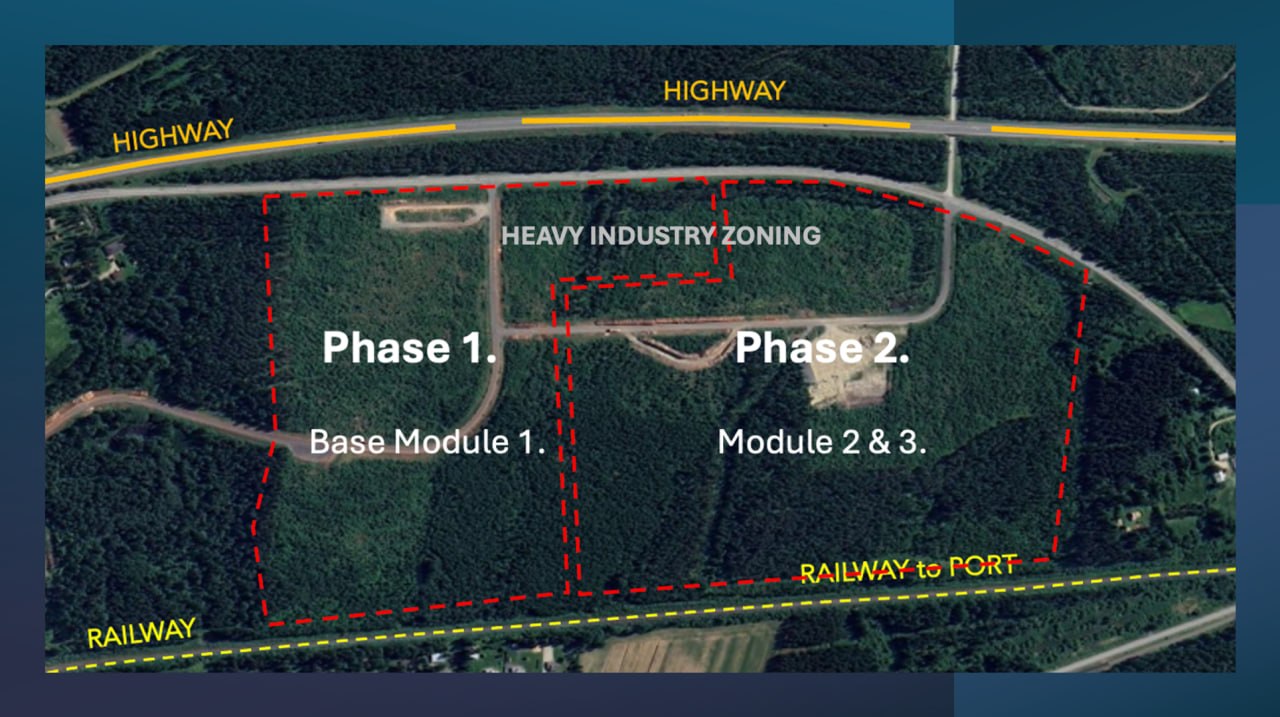
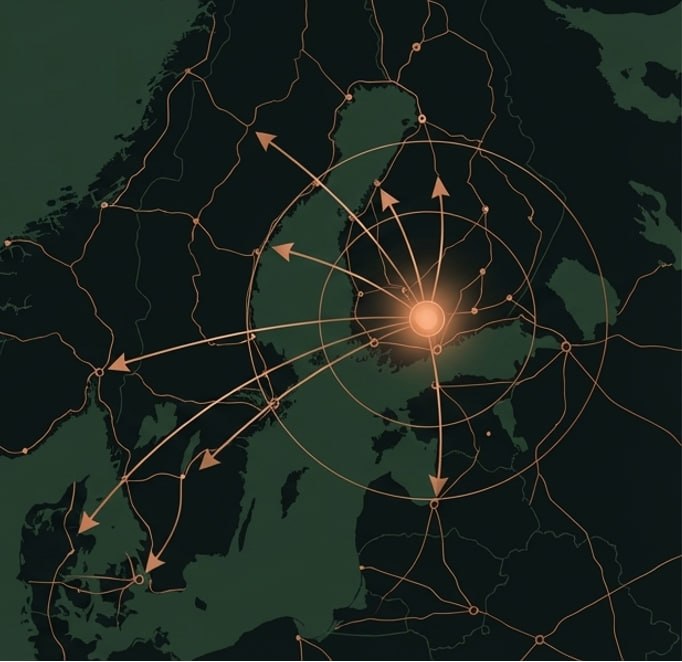
We secured an industrial-zoned site at Iisalmi, Finland, chosen for:
Abundant, low-cost biomass from nearby forests.
100% green power availability.
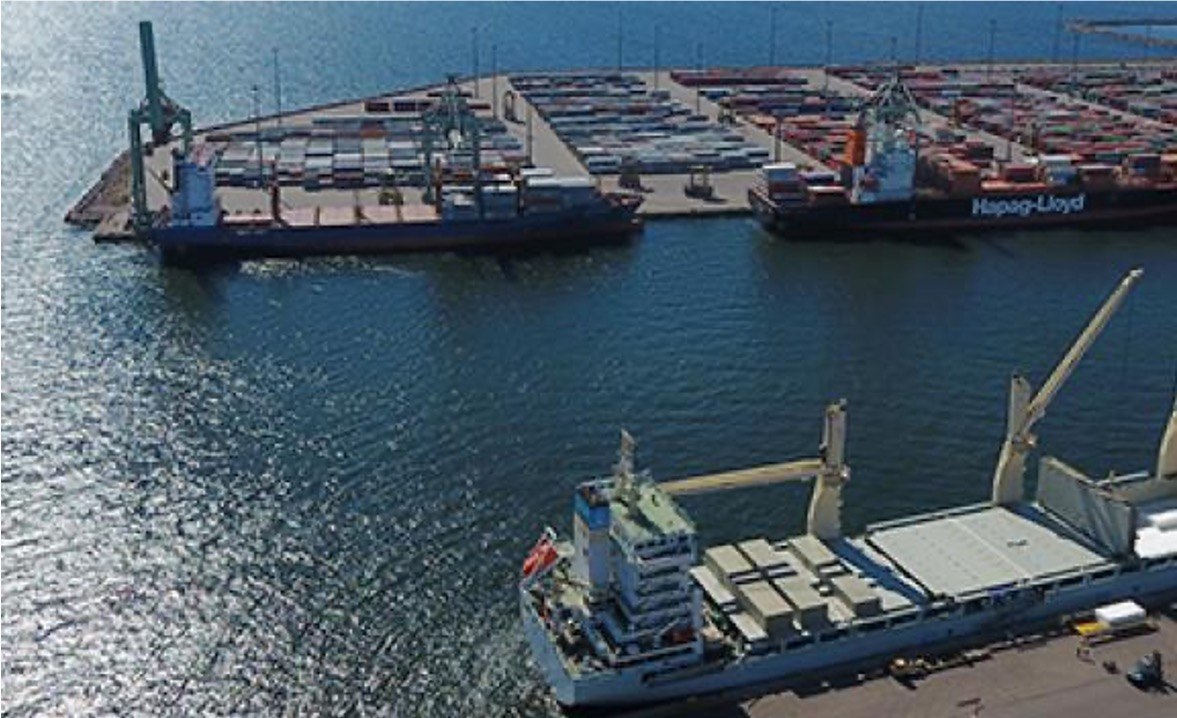
Proximity to EU markets and supportive Finnish policy.
This combination makes it one of the most cost-advantaged SAF sites globally.
Who are your key partners and offtake customers?
Devaltec leads technical design, permitting and FEED.
ATOBA Energy (MoU signed) will aggregate SAF volumes and structure offtake, with initial offtake slated for 2028.
Global engineering firms with Tier 1 track records ensure robust delivery and investor confidence.
When will Flying Forest start delivering fuels?
Green methanol production and revenue begins in 2030.
SAF deliveries start in 2034 once MTJ certification is complete, aligning with ReFuelEU Aviation targets and upcoming ASTM approvals.